A refrigerator is one of the few appliances that runs all day, every day. That makes it the perfect target for energy monitoring—not just to estimate monthly cost, but to spot changes in compressor run time that can hint at dirty condenser coils, weak door seals, or a defrost problem.
A good refrigerator power usage monitor needs three things: a solid load rating for compressor appliances, reliable kWh reporting, and dependable connectivity (because “offline” readings are basically useless).
Can you safely use a smart plug on a refrigerator?
Refrigerators are compressor appliances, meaning they draw a brief startup surge (inrush current) when the compressor kicks on. Most standard household fridges are still well within what quality 15A / 1800W smart plugs are designed to handle—provided you’re using a properly rated plug and a healthy wall outlet.
What matters most:
- 15A rating (minimum) and reputable safety certifications (UL / ETL, etc.)
- A plug designed for general-use loads and ideally one that mentions motor handling (some specs list a small HP motor rating, which is relevant to compressors)
- A snug, undamaged outlet—loose receptacles create heat, which is bad for any high-duty appliance
Keep the automation simple: a refrigerator should not be routinely turned off by schedules. Use the smart plug for monitoring watts and kWh, alerts, and data trends—not aggressive on/off routines.
What “energy monitoring” should include for a fridge (so the numbers mean something)
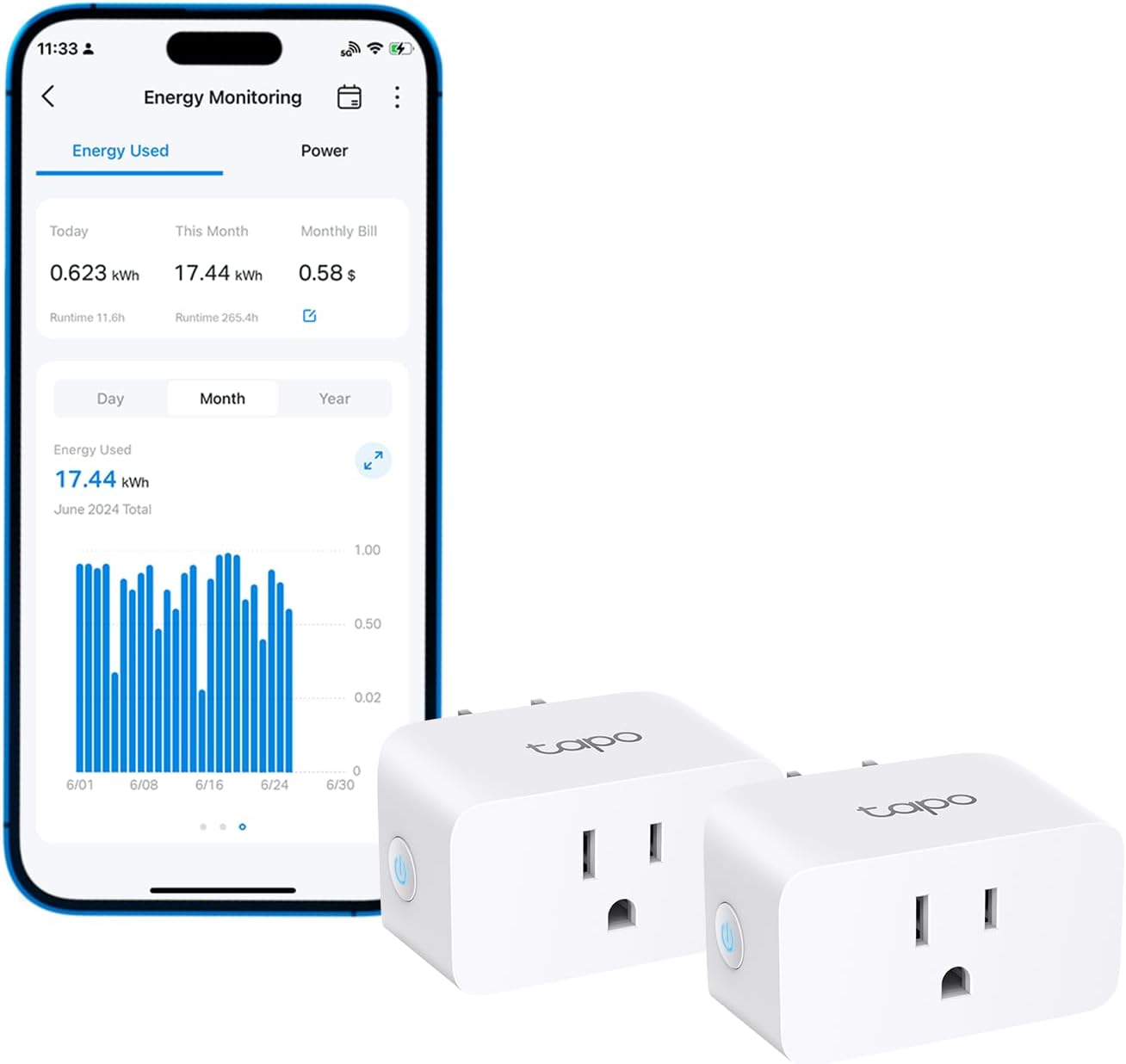
For refrigerator energy consumption tracking, the useful features are:
- Real-time watts (W): helps you see compressor cycles vs idle draw
- Energy history in kWh: daily/weekly totals so you can estimate cost
- Longer-term charts: a gradual kWh rise over weeks is often more meaningful than one weird day
- Offline notifications: a fridge plug going offline can be as important as the watt data (power loss, Wi-Fi issue, or breaker event)
Some ecosystems also let you estimate cost by entering your electricity rate (nice for “how much does my fridge cost per month” intent).
Buying guide: how to choose the best smart plug for refrigerator energy monitoring
Load rating and compressor behavior
A fridge plug should be 15A and built for high-duty use. When specs include a motor rating (example: 1/6 HP motor), that’s a helpful signal the manufacturer considered motor-driven loads.
Connectivity: Wi-Fi vs Thread (Matter)
- Wi-Fi (2.4 GHz) plugs are common and easy, but cloud/app reliability varies.
- Matter over Thread (like Eve Energy) can be more robust in a well-built smart home—Thread is a low-power mesh network and typically needs a Thread Border Router (some smart speakers/hubs provide this).
Safety certifications and materials
Look for UL/ETL language in the listing and manufacturer docs, plus safer materials where noted (for example, Tapo documents mention flame-retardant PC (V-0, UL 94)).
Security and privacy
Smart plugs are small, but they sit on your network. Prefer:
- reputable brands with regular firmware updates
- WPA2/WPA3-secured Wi-Fi and strong account security
- privacy-forward designs when that matters to you (Eve positions itself around local control and “no tracking”).
Comparison table (5 best smart plugs for refrigerator energy monitoring)
| Product | Energy monitoring (Watts/kWh) | Max load & appliance notes | Smart home compatibility | Connectivity | Certification / safety callouts* | Best for |
|---|---|---|---|---|---|---|
| Kasa KP115 | Yes (usage tracking in Kasa app) | Typical 15A-class smart plug for household loads | Alexa / Google (Kasa ecosystem) | 2.4 GHz Wi-Fi | Certification varies by listing/version—confirm on the page | Simple, reliable refrigerator power usage monitor with easy charts |
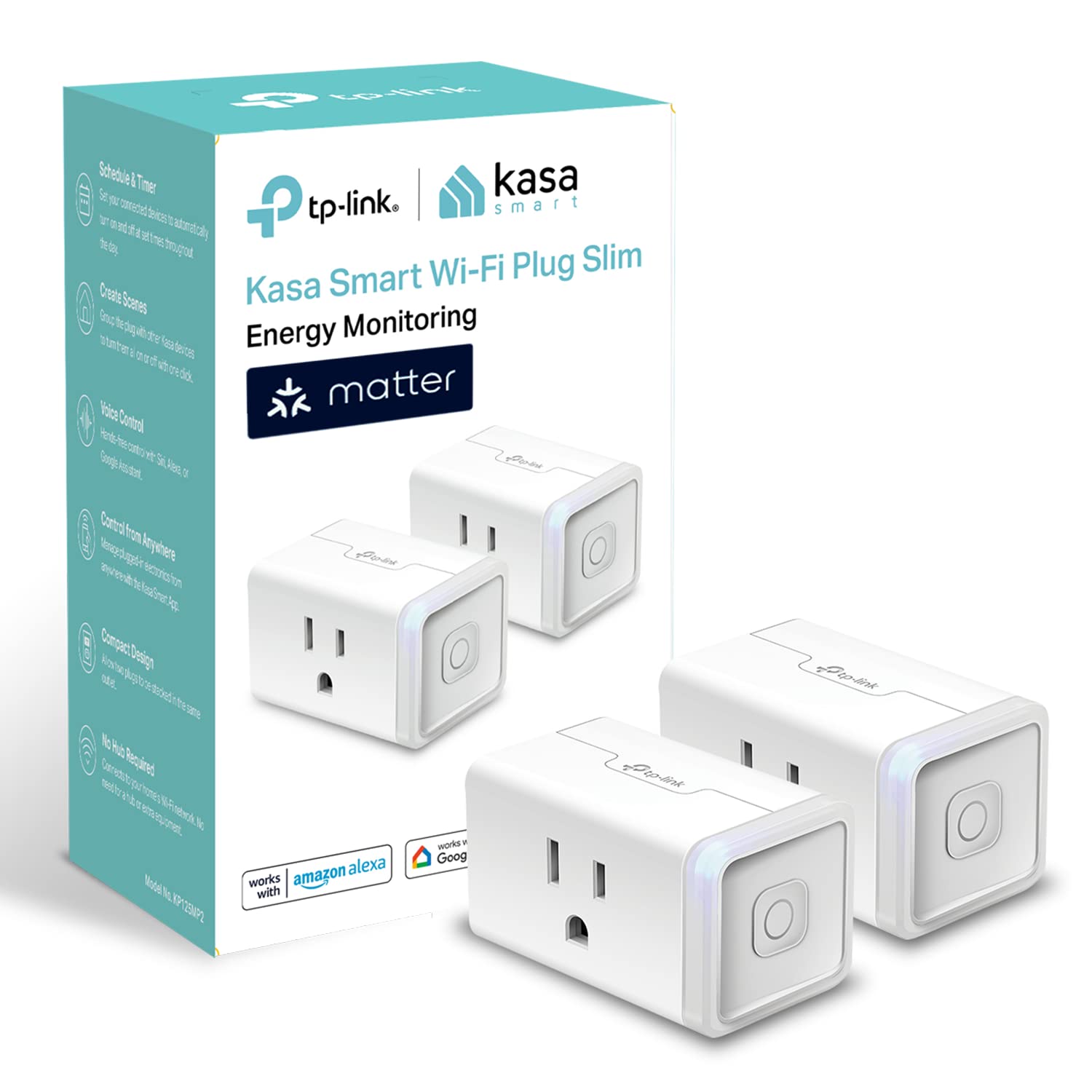
| Kasa KP125M (Matter) | Yes | 15A/1800W (per listing); good fit for most household fridges | Matter (Apple Home / Alexa / Google / SmartThings via Matter) | 2.4 GHz Wi-Fi | UL Certified noted in listing snippet | Best “future-proof” pick: Matter smart plug energy monitoring |
| TP-Link Tapo P115 | Yes | 15A/1800W + 1/6 HP motor listed by TP-Link (helpful for compressor appliances) | Alexa / Google; app-based control | 2.4 GHz Wi-Fi | TP-Link docs list ETL/FCC/RoHS and flame-retardant material notes in specs | Best value with the clearest appliance-style specs |
| SONOFF S31 | Yes | 15A-class plug aimed at monitoring + overload protection (manufacturer positioning) | Works within SONOFF ecosystem (integrations vary by setup) | 2.4 GHz Wi-Fi | Manufacturer and listing call out ETL (verify on listing) | Great for smart home tinkerers who still want solid kWh tracking |
| Eve Energy (Matter over Thread) | Yes | 15A / 120V shown in Amazon details | Matter platforms (with required controller); strong Apple/Thread fit | Thread (needs Thread Border Router) | TÜV/UL messaging appears on official channels; confirm on the exact listing | Best for privacy-first homes and stable Thread networks |
Reviews: 5 Best Smart Plugs for Refrigerator Energy Monitoring
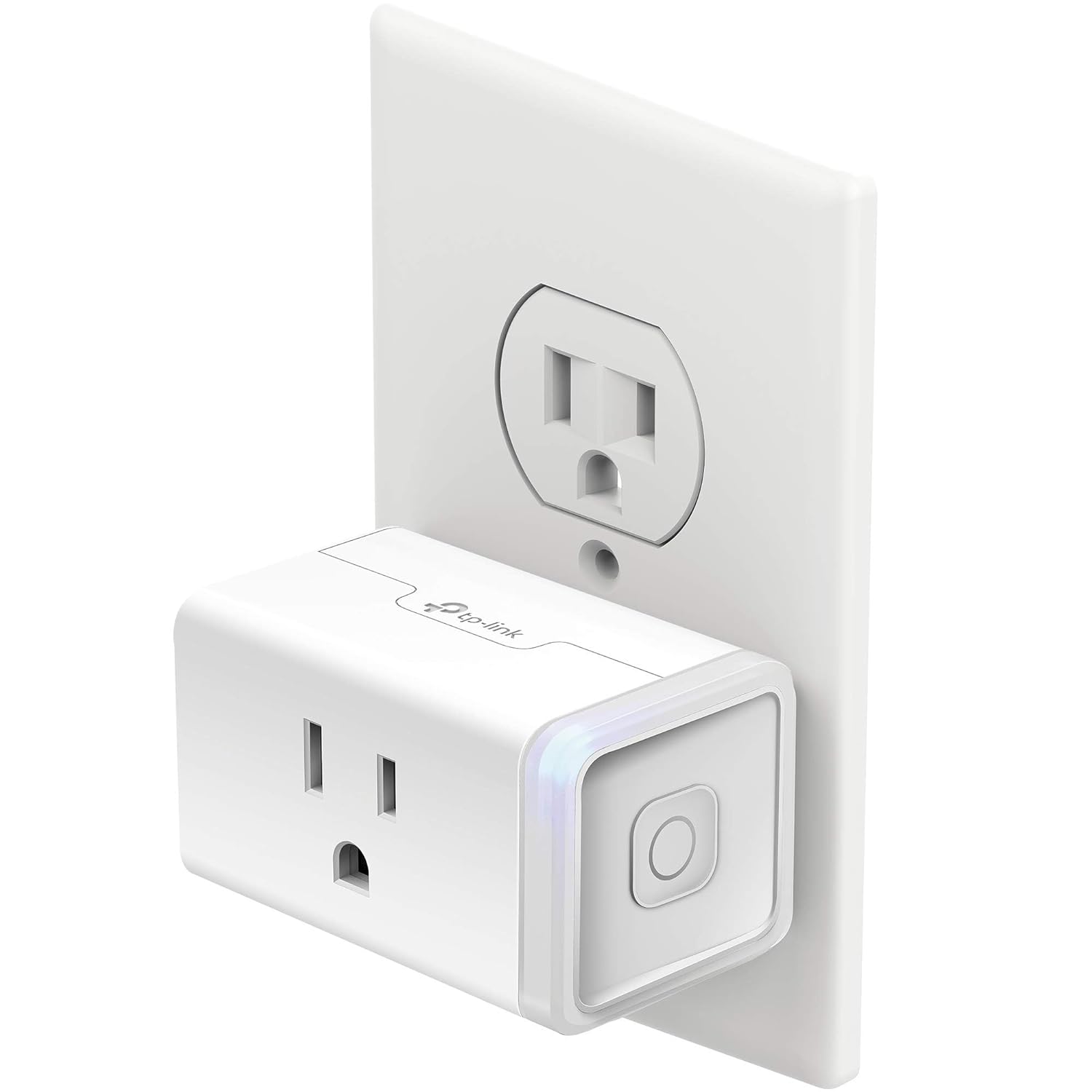
Kasa’s KP115 is the “set it and forget it” option for most homes: simple app setup, energy monitoring, and a compact design that doesn’t hog space.
Why it works for a refrigerator
Energy monitoring lets you track fridge electricity cost over time and catch changes in compressor cycling. Kasa positions this model specifically around real-time and historical monitoring in its product materials.
Technical notes
- Energy monitoring in the Kasa ecosystem (real-time + historical)
- Wi-Fi smart plug behavior depends on 2.4 GHz network stability (typical for this class)
Best for: most buyers who want the best smart plug for refrigerator energy monitoring without building a complex smart home.
This is Kasa’s upgrade path for buyers who want Matter compatibility (Apple Home, Alexa, Google Home, SmartThings ecosystems) plus energy monitoring.
Why it works for a refrigerator
Matter helps reduce “platform lock-in.” The Amazon listing snippet also calls out 15A/1800W and UL Certified, which is exactly the kind of reassurance you want on a compressor appliance.
Technical notes
- Matter-compatible + energy monitoring
- 15A/1800W max + UL Certified (per listing snippet)
Best for: anyone building a modern smart home who wants a Matter smart plug energy monitoring option.
Tapo P115 is one of the more “appliance-aware” energy monitors because TP-Link publicly lists specs beyond just amps and watts.
Why it works for a refrigerator
TP-Link states 15A / 1800W and even lists a 1/6 HP motor limit—useful language when discussing compressor appliances.
Technical notes
- Rated 100–125V~, 50/60 Hz; maximum load 15A, 1800W; 1/6 HP motor
- Tapo docs list certifications like FCC, ETL, RoHS for the series documentation
- Flame-retardant material callout: PC (V-0, UL 94) in the Tapo US specs
Best for: buyers who want a smart outlet kWh monitor that feels engineered for real appliances, not just lamps.
SONOFF S31 is popular with smart home tinkerers, and the official product description emphasizes power monitoring and ETL certification.
Why it works for a refrigerator
It’s a 15A-class plug and explicitly marketed with energy monitoring. SONOFF’s own product page notes that S31 (not S31 Lite) supports power monitoring and overload protection and calls out ETL certification.
Technical notes
- “15A … ETL Certified” appears in the Amazon listing snippet
- Official page: S31 includes power monitoring + overload protection; ETL certificated
Best for: users who like deeper smart home integrations and still want a refrigerator power usage monitor on a budget.
Eve Energy is a different philosophy: Matter over Thread with strong privacy messaging and energy reporting.
Why it works for a refrigerator
Thread can be very stable when your home already has the right infrastructure, and Eve emphasizes “no registration/no tracking” and local communication. It’s also listed as a 15A / 120V device in Amazon details.
Technical notes
- Matter over Thread, requires a Thread Border Router (called out on the product family listings)
- Amazon details show 15A and 120V
- Eve’s site highlights TÜV certification and Thread efficiency; Apple’s store page mentions UL-certified build quality
Best for: Apple/HomeKit-style setups or anyone prioritizing privacy + future-proofing with Matter over Thread.
Setup tips that make the energy data more useful
A fridge’s power draw fluctuates by design. Clean monitoring comes from consistency:
- Give the plug 48–72 hours before making conclusions.
- Watch daily kWh rather than obsessing over minute-to-minute watts.
- Compare “before/after” after cleaning condenser coils or replacing a door gasket—this is where a smart plug kWh monitor shines.
Safety + security checklist (quick but practical)
- Use the plug directly in the wall—avoid cheap power strips.
- Confirm the outlet is tight (no wobble), especially behind refrigerators.
- Avoid “auto-off” routines for the fridge outlet.
- Lock down your smart home accounts: strong password, 2FA where available, keep firmware updated.
- Prefer recognized safety certifications (UL/ETL) when choosing a plug for a compressor appliance.
FAQ
Can a smart plug handle a refrigerator compressor?
Many can, as long as it’s a quality 15A plug and the wall outlet is in good shape. Models that explicitly list a motor rating (like 1/6 HP motor) provide extra confidence for compressor loads.
Do I need a 20A smart plug for a refrigerator?
Most standard household refrigerators don’t require 20A at the plug level, but the appliance’s nameplate and the circuit rating are the final authority. When in doubt, stick with reputable 15A smart plugs from brands that publish clear load specs and certifications.
What’s the best way to estimate refrigerator electricity cost?
Track weekly or monthly kWh in the smart plug app and multiply by your utility’s $/kWh rate. Some platforms also allow entering an electricity rate for estimates.
Why do my fridge watts jump up and down?
That’s normal cycling: compressor on/off, defrost heater cycles, and fan operation. The pattern matters more than any single reading.
Which is better for monitoring: Wi-Fi or Thread?
Wi-Fi plugs are easier for most homes. Thread (used by some Matter devices) can be more reliable in a mature smart home mesh, but it requires a Thread Border Router.
Does energy monitoring still work during a power outage?
A plug can’t report consumption while unpowered. What you can get is an “offline” event when your app notices the device dropped (depends on ecosystem/app).
Is it safe to schedule a refrigerator smart plug to turn off at night?
Usually not recommended. Use monitoring and alerts instead of automated shutoffs for food safety and compressor longevity.
What should I watch for as a “problem signal”?
A gradual increase in daily kWh or unusually long compressor run times compared to your baseline often points to airflow issues (dirty coils), warm ambient temps, door seal leaks, or defrost problems.
Conclusion
Tracking your refrigerator’s power draw is one of the simplest ways to understand where your home’s “always-on” electricity goes. Once a smart plug is installed, you’ll start to recognize what normal looks like—short compressor cycles through the day, slightly longer runs during hot weather, and a steady daily kWh pattern.
That baseline becomes valuable. When energy use suddenly climbs or the compressor seems to run longer than usual, you have a clear signal to check common efficiency killers like dusty condenser coils, a worn door gasket, or poor airflow around the unit.
From the six options in this guide, most households will be happiest with a straightforward Wi-Fi smart outlet kWh monitor like the Kasa KP115 or Tapo P115 for dependable charts and easy setup. Households investing in a newer multi-platform smart home can step up to Matter with the Kasa KP125M, while Eve Energy makes the most sense for privacy-focused setups that already support Thread.
Pick the plug that fits your ecosystem, prioritize a properly rated and certified device, then let the data run for a few days—your fridge will tell you a lot once you start measuring it.